What Happens If a Cyclist Hits My Car in the UK? A Driver’s Guide

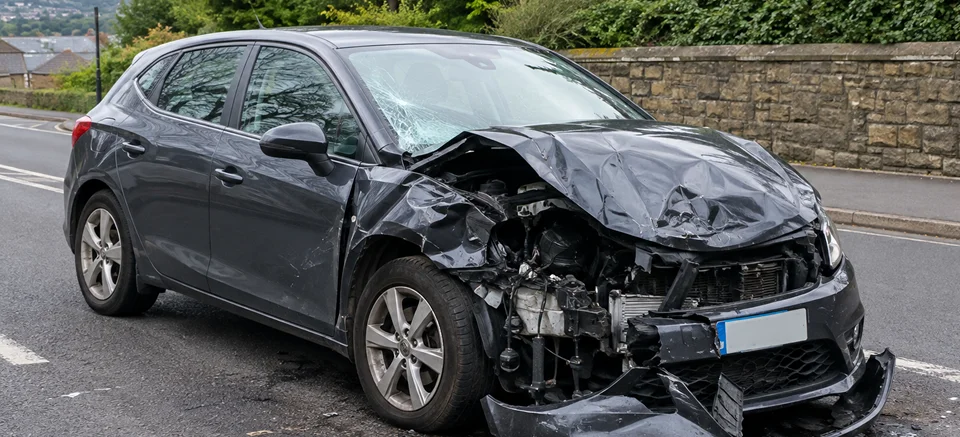
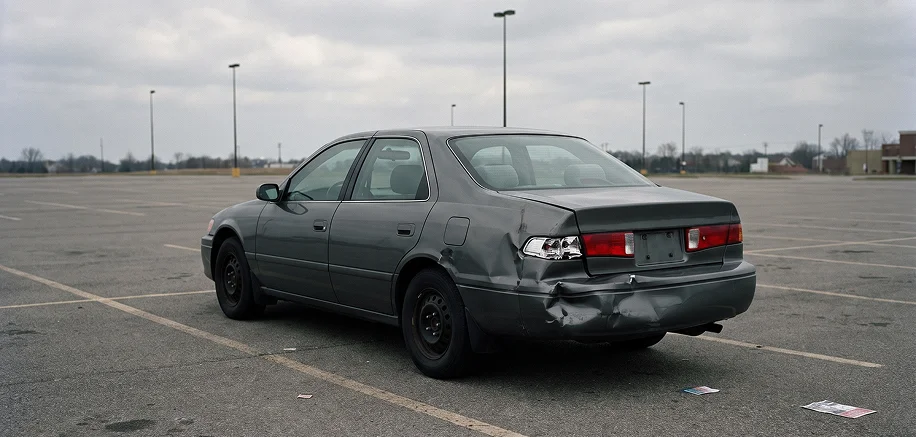
You're driving carefully through a residential area when a cyclist suddenly veers out from a side street and hits your car. There's damage to your vehicle. The cyclist might also be injured. In the panic of the moment, you're asking the crucial questions: What happens now? Who pays? What are your obligations?
This guide explains what happens when a cyclist hits your car in the UK, your legal responsibilities, who pays for the damage, and how to protect your position when claims management and insurance processes become complex.
Cyclist Collisions in Great Britain: What Do the Statistics Show?
Cyclists are particularly vulnerable in road collisions because they do not have the same physical protection as people inside cars.
The latest Department for Transport figures show that 79 pedal cyclists were killed, 4,311 were seriously injured, and 11,652 suffered slight injuries in reported road collisions in Great Britain during 2025. That amounted to 16,042 reported pedal cyclist casualties overall.
Looking at the period from 2021 to 2025, 45% of pedal cyclist fatalities occurred in two-vehicle collisions involving a car. The same data shows that 54% of pedal cyclist fatalities occurred on rural roads, despite only 30% of pedal cycle traffic taking place on those roads.
The peak times for these collisions are weekday commuter hours: 7 AM to 10 AM and 4 PM to 7 PM. This means many incidents happen during busy urban driving when attention and space are at a premium. At weekends, cycling activity tends to peak around 10 AM to 12 noon before gradually declining through the afternoon and evening.
These statistics highlight why collisions involving cyclists should be taken seriously, even when the initial damage to a vehicle appears minor.
The Department for Transport also says non-fatal cyclist casualties are among those most likely to be under-reported in road casualty data.
Who Is Responsible When a Cyclist Hits Your Car?
If a cyclist collides with your vehicle, responsibility is not automatically placed on the driver.
You need to consider the circumstances of the collision. For example, the cyclist may be responsible if they:
- Ride through a red light
- Move suddenly into the path of your vehicle
- Fail to give way when required
- Ride into your vehicle from behind
- Ignore road signs or markings
- Make an unsafe manoeuvre
At the same time, a driver can still be found responsible if they were speeding, failed to look properly, turned across a cyclist's path or otherwise failed to take reasonable care.
The Highway Code's hierarchy of road users gives greater responsibility to those controlling vehicles capable of causing greater harm. However, the Government has made clear that the hierarchy does not remove other road users' responsibilities or automatically decide liability after a collision.
So, in the scenario, “if a cyclist hits my car, who pays?” depends on the evidence and the circumstances of the accident. If you believe the cyclist was responsible and your vehicle has been damaged, gather as much evidence as possible before making assumptions about how the claim will be handled.
What Should You Do After a Collision With a Cyclist?
Your first priority should be safety.
If the collision has caused an injury, call 999 when necessary and avoid putting yourself or anyone else in further danger. If it is safe to do so, move to a safer place and switch on your hazard warning lights.
You should then:
- Exchange details
Get the cyclist's name and contact details where possible. Record any available information about their bicycle, and note the location and time of the collision. If there are witnesses, ask for their contact details too.
- Take photographs
Photograph:
- Damage to your car and the bicycle
- The position of the vehicles and bicycle
- Road markings, signs, junctions or cycle lanes
- Any visible injuries, where appropriate
- The surrounding road conditions
Do this only when it is safe.
- Report the incident where appropriate
The Highway Code states that drivers involved in a collision causing damage or injury must stop and provide relevant details. If the required details are not given at the scene, Rule 286 says the collision must be reported to the police as soon as reasonably practicable and, in any event, within 24 hours.
You should also notify your motor insurer of the accident, even if you do not intend to make a claim. GOV.UK specifically advises drivers to report an accident to their insurer.
What Are Your Responsibilities If You Hit a Cyclist?
The situation is different if your vehicle hits the cyclist.
If you are asking, “What happens if I hit a cyclist with my car?” you should stop and deal with the collision appropriately. Do not simply drive away, particularly if someone may have been injured.
The Highway Code places particular responsibility on drivers to reduce the danger they pose to more vulnerable road users. Rule H3 also tells drivers not to cut across cyclists travelling ahead when turning into or out of a junction or changing direction or lane. Drivers should not turn if doing so would cause a cyclist going straight ahead to stop or swerve.
If the cyclist is injured, seek emergency assistance where necessary. You should exchange the required details and follow the relevant reporting and insurance requirements.
Your motor insurance may cover your liability for damage or injury caused to another person. Third-party motor insurance is the legal minimum for drivers in the UK, although the exact way a claim is handled will depend on the circumstances and your policy.
Do not admit liability at the scene simply because you feel responsible. Stick to the facts, record what happened, and let the relevant insurers or claims professionals assess the circumstances.
What Should You Do If the Cyclist Leaves the Scene?
A particularly difficult situation is when the cyclist leaves before you can exchange details.
You may be left with a damaged vehicle but no name, contact information or insurance details. If a cyclist hit your car and rode off, try to gather evidence immediately.
Write down everything you remember while it is still fresh. This can include:
- The cyclist's appearance and clothing
- The type or colour of the bicycle
- The direction they travelled
- The exact location
- The time of the collision
- The circumstances leading up to the impact
Look around for witnesses and check whether nearby businesses or properties may have CCTV covering the road. Do not attempt to chase the cyclist yourself. Report the incident to the police as soon as possible and notify your insurer.
The legal position can be more complicated when the other party is a cyclist rather than another motor vehicle. Cyclists do not have compulsory motor insurance in the same way drivers do, so identifying the person involved can be particularly important when pursuing compensation for vehicle damage.

How Is Fault Established After a Cyclist Collision?
Fault is usually assessed by reviewing the available evidence rather than simply deciding who is responsible. Beyond the photos, witness details and road-marking evidence covered above, this can also include:
- Dashcam footage
- Police records
- Statements from those involved
- Any relevant Highway Code rules
The latest DfT cyclist factsheet provides some useful context. Between 2021 and 2025, the most common road safety factor assigned in fatal or serious collisions involving cyclists and another vehicle was ineffective observation by the driver, rider or pedestrian.
This shows why establishing what each person could see, where they were positioned and what they did immediately before the collision can be important.
If you believe that a cyclist damaged your car and the collision was not your fault, keep all relevant evidence and avoid arranging repairs before understanding how the claim should proceed.
Can You Claim for Damage to Your Car?
If another road user is responsible for damaging your vehicle, you may be able to pursue the appropriate losses from the party responsible. The exact route will depend on the circumstances, the evidence available, and any insurance cover involved.
If the cyclist is at fault:
Best case: the cyclist has personal liability insurance (through home insurance or cycling membership). Your insurer claims against theirs. You pay nothing.
Middle ground: the cyclist has no insurance but is cooperative and has means to pay. You pursue a civil claim through small claims court or your insurer's legal team.
Worst case: the cyclist has no insurance and no apparent means to pay. You claim on your own insurance, pay your excess, and your insurer attempts recovery (often without success).
If you are at fault (you hit the cyclist):
Your comprehensive insurance covers the damage to your vehicle (minus your excess) and any third-party liability. The cyclist's personal injury claim is covered by your third-party insurance. Your insurer will handle settlement negotiations with the cyclist's legal representatives.
How Simple Claims Can Help After a Non-Fault Accident
If the collision was not your fault and your car has been damaged, dealing with insurers, repairs and getting back on the road can become another source of stress.
A claims management specialist like Simple Claims provides support in non-fault car accidents in London. We handle complex negotiations between insurers, manage personal injury assessments, coordinate legal representation, and ensure you're not overexposed to liability.
In incidents where a cyclist is seriously injured, personal injury claims can escalate quickly. A claims manager protects your interests by ensuring fair assessment of injury, preventing inflated claims, and coordinating defence if the claim proceeds to court.
The key point is to establish that the accident is genuinely non-fault before relying on this type of claims service. If responsibility is disputed, the evidence surrounding the collision will remain important.
Understanding Your Options After a Cyclist Collision
So, what happens if a cyclist hits your car in the UK? There is no single outcome for every collision.
A cyclist collision can be straightforward or more complicated, depending on the circumstances and evidence available. Knowing your rights and responsibilities can make it easier to deal with the aftermath and decide what to do next.
If the accident was not your fault, Simple Claims can support you with the practical side of your non-fault claim, from vehicle recovery and repairs to replacement vehicle arrangements.
Frequently Asked Questions
1. What happens if a cyclist hits my car in the UK?
The outcome depends on how the collision happened and who was responsible. If the cyclist caused the accident, you may be able to recover the cost of your vehicle damage, depending on the evidence and any available liability cover.
2. Who pays if a cyclist damages my car?
If the cyclist is found responsible, you may be able to recover your losses from them or an insurer providing relevant liability cover. The available evidence and circumstances of the collision will determine how the claim can proceed.
3. What should I do if a cyclist hits my car and rides off?
Make a note of everything you remember, including the cyclist's appearance, bicycle, direction of travel and location. Look for witnesses or CCTV, report the incident to the police where appropriate and notify your insurer.
4. What happens if I hit a cyclist with my car?
You should stop, check for injuries, exchange the required details and follow the relevant reporting and insurance requirements. If the cyclist was injured or their property was damaged, your motor insurance may deal with your liability under the circumstances of the accident.
5. Can I claim for car damage if a cyclist causes an accident?
You may be able to claim for vehicle damage if the cyclist was responsible. Your options will depend on the evidence, the circumstances of the collision and any relevant insurance or liability cover.
Get Back on the Road After a Cyclist Collision
If the accident wasn't your fault, Simple Claims can help with your claim and arrange the practical support you need.
Need Accident Recovery?
Start your claim today with our expert team and in-house services, and get back on the road faster.
Get Instant Recovery Now