
Car Write-Off Categories Explained: Cat A, B, S & N
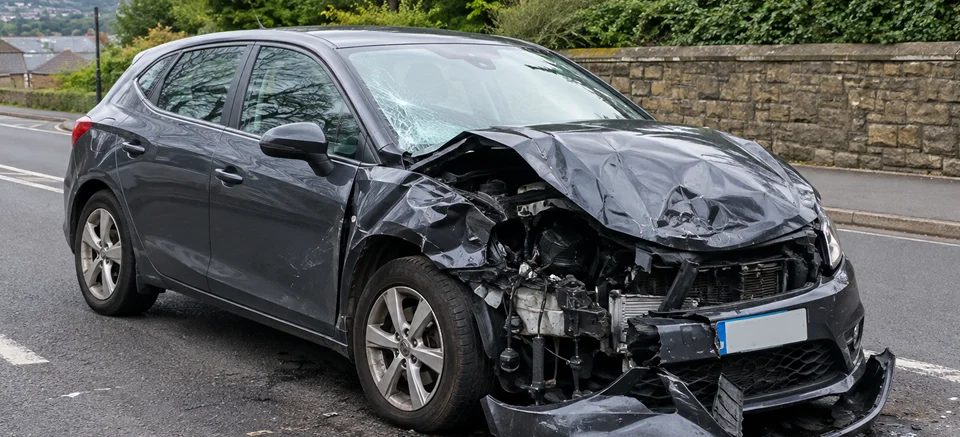
Your insurer has informed you that your car is a "write-off" and has assigned it a category: A, B, S, or N. Suddenly you're asking questions you never expected to need answers to: What does this mean? Can I keep my car? Will I ever be able to drive it again? Can I still get insurance for it?
This guide explains exactly what each write-off category represents, what you can and cannot do with each category, and the insurance implications.
Insurance Car Write-Off Categories: A, B, S and N
The UK uses four standardised write-off categories, established by the Association of British Insurers and recognised by the DVLA. These categories were revised in October 2017, when the old Categories C and D were replaced with the current S and N system.
Every car write-off is assigned one of four categories: Cat A, B, S and N, which reflect how severe the damage is. Understanding the differences matters for what happens to your vehicle, whether it can return to the road and how the next steps of your claim are handled.
Below is a summary of write-off categories
Not sure your vehicle has been given the right category? Contact Simple Claims for accident claim assistance and support with your write-off.
Cat A Meaning: Scrap Only
Cat A represents vehicles that are so badly damaged that they cannot be repaired, driven or reused in any form. They must be completely destroyed and cannot return to the road.
Note for GD: show a car that is fully damaged; make sure to use Cat A car damage
Mostly, these vehicles have been exposed to extreme heat (fire damage), catastrophic collision, or chemical/corrosive exposure that compromises all components.
If your car is categorised as A after an accident, your insurer will pay you the agreed value and the car will be scrapped.
You have no option to repair or retain Cat A vehicles, and they are not available in the second-hand vehicle market.
Cat B Meaning: Serious Damage, Salvageable Parts
Cat B vehicles are also undrivable, but some parts can be removed and reused. The vehicle itself must be crushed and cannot be repaired or legally driven on British roads.
Once a vehicle is classified as Cat B, you will not get that vehicle back. The insurer will generally pay the vehicle’s pre-accident market value.
Any usable parts belong to the insurer and may be removed and sold by the insurer or its salvage company, including the engine, gearbox, doors, seats, and electronics.
The vehicle’s condition, age, mileage and current market value before the accident are assessed to determine the settlement amount.
Cat S Meaning: Structural Damage
If you are searching what a Cat S write-off means, it refers to a vehicle that has suffered structural damage to parts that form or support the vehicle’s main structure. Structural damage can affect parts such as:
- Chassis or frame
- Structural pillars, such as the A, B or C pillars
- Roof structure
- Floor pan
- Front or rear structural sections
- Structural rails and crossmembers
- Other load-bearing parts of the vehicle
A Cat S vehicle can be repaired and returned to the road, but the repairs should restore the vehicle to the required safety standards before it can legally be driven on the road.
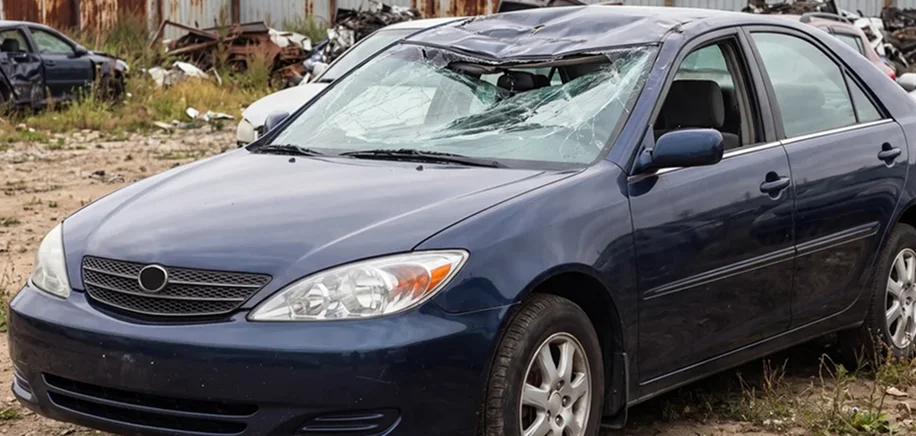
You may be able to keep the vehicle, depending on your insurer. Once repaired, it can return to the road, but its Cat S status remains permanently recorded.
Cat N Meaning: Non-Structural Damage, Repairable
Cat N (formerly Cat D) represents the least severe write-off category. It means the vehicle has suffered non-structural damage, meaning the chassis and frame remain intact. The damage affects other parts of the vehicle and can include:
- Paint and bodywork: peeling paint, deep scratches, dents or body panel deformation.
- Lights and windows: cracked or shattered lights, broken windows or components that need replacing.
- Doors, mirrors and bumpers: bent, cracked, detached or torn-off components.
- Interior: damaged or broken seats, dashboard, trim or other cabin components.
- Electrical systems: damaged wiring, sensors, cameras or other electrical components.
- Suspension and braking: damaged non-structural components that need repair or replacement.
- Stolen-recovered vehicles: missing, damaged or removed components following the theft.
Cat N cars can be repaired and driven again once they're roadworthy. They do not require re-registration with the DVLA before returning to the road. However, they must pass their next MOT.
How to Scrap a Vehicle
Your insurance company will usually handle scrapping the vehicle for you. While this process is being arranged, your car will be kept in a secure vehicle storage facility. If the accident was not your fault, a claim management company can arrange no-upfront-cost vehicle storage for you.
How Can I Keep My Vehicle
If your insurer allows you to retain a Cat N or Cat S vehicle, you may receive the settlement after the salvage value has been deducted.
To keep a Category S vehicle, you also need to:
- Send the complete log book to your insurance company
- Apply for a free duplicate log book using form V62. DVLA will record the vehicle’s category in the log book.
How to Claim After an Accident If Your Car Is Written Off
If your car is written off after an accident, the category assigned to it determines what happens to the vehicle, but it does not stop you from making a claim.
If the accident was not your fault, you can make a claim against the at-fault driver's insurer for your losses. Your vehicle will be assessed and, if it is declared a total loss, the settlement will generally be based on its market value immediately before the accident.
Simple Claims can manage the process on your behalf, from dealing with the insurers and monitoring the claim to helping you understand your options if your vehicle is written off.
Can I Appeal or Dispute an Insurance Write-Off?
Yes, you can challenge an insurer’s write-off decision if you believe your car has been wrongly classified or written off.
You’ll usually need evidence to support your case, such as an independent repair estimate, photographs of the damage and evidence of your vehicle’s true market value.
Simple Claims can help you through the car accident claim management process. Alongside our claims management service, we have access to an in-house insurer-approved garage that can assess the damage and provide repair estimates where appropriate. We can then monitor the claim, communicate with the relevant parties and raise concerns if the insurer’s decision or category appears incorrect.
Can you insure a Cat S or Cat N Car?
If you choose to retain your Cat S or Cat N vehicle, the insurer that wrote it off may refuse to insure it or increase your car insurance premium, depending on their policy and assessment of the vehicle.
You may also need to arrange new insurance and declare the vehicle's Cat N history before taking out a policy. Failing to disclose the write-off category could affect your cover or future claims.
Final Thought: Know Your Cat
A car's write-off category determines its future. Cat A and B mean the end of the road, literally. Cat S and N mean recovery is possible, but with complications: higher insurance costs, lower resale value, and a permanent record marking
If your car is written off, take the time to understand the category assigned to it. Verify it's correct. Consider whether appealing is worthwhile. And if you plan to repair and keep the car, factor in the long-term insurance and resale implications.
Your category letter is important. Make sure you understand what it means.
Not sure what your write-off category means or what to do next? Contact Simple Claims. Our team can help you understand your options, monitor the claim and guide you through the next steps.
Need Accident Recovery?
Start your claim today with our expert team and in-house services, and get back on the road faster.
Get Instant Recovery Now.webp)
.webp)



.svg)


