Interim Payments in Personal Injury Claims: How They Work
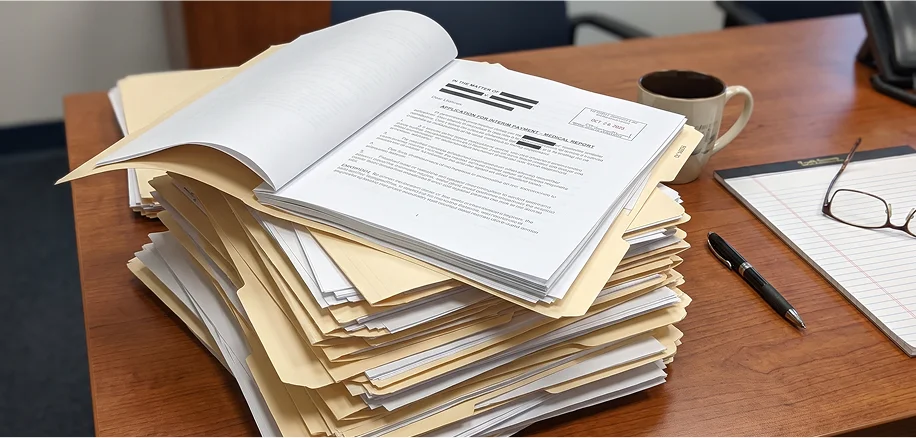
A serious injury can create financial pressure. You may be unable to work, paying for treatment and rehabilitation, or facing additional costs at home. At the same time, your compensation claim could take months or even years to resolve.
So, what happens if you need financial support before your claim is finished?
An interim payment in a personal injury claim can give you access to part of your expected compensation before the final settlement. This guide explains what interim payments mean, who may qualify, how much you could receive and how the process works.
What Is an Interim Payment?
An interim payment in a personal injury claim is a portion of your expected compensation paid before your claim reaches its final settlement or judgment.
For example, you have made a claim worth £500,000, and you receive an interim payment of £100,000 while your claim is ongoing. When the claim is finally settled, the £100,000 is taken into account and deducted from the final amount.
Why Are Interim Payments Needed?
Serious personal injury claims can take considerable time to settle.
Your medical condition may need to stabilise before experts can assess your long-term prognosis. You may need medical reports, rehabilitation assessments and evidence of your future care or financial needs. Liability and the value of the claim may also need to be established.
Your financial needs, however, do not necessarily wait for any of this.
In short;
An interim payment can help bridge that gap by providing financial support for genuine costs arising from your injury while the wider claim continues.
When Can You Get an Interim Payment?
Not every personal injury claimant will qualify. Interim payments are generally available to non-fault claimants who are pursuing a valid personal injury claim against the party responsible for their accident, provided the relevant legal requirements are met.
Under the Civil Procedure Rules, the court can make an interim payment order where certain conditions are met. These include situations where:
- The defendant has admitted liability to pay damages.
- You have already obtained a judgment for damages, but the amount still needs to be assessed.
- The court is satisfied that you would likely receive a substantial sum if the claim went to trial.
The court must also ensure that an interim payment is a reasonable proportion of the likely final judgment. It can take factors such as contributory negligence, set-offs and counterclaims into account.
What Evidence Is Needed?
Evidence is central to an interim payment application. Depending on the claim, this may include:
- Medical reports.
- Evidence of the injury and prognosis.
- Rehabilitation assessments.
- Evidence of care needs.
- Details of lost earnings.
- Treatment costs.
- Quotes for equipment or home adaptations.
- Evidence of other financial losses.
The stronger the evidence, the easier it is to demonstrate both the need for the payment and why the amount requested is reasonable.
Simple Claims can help connect you with personal injury solicitors and help you access appropriate medical and rehabilitation support and strong evidence to support your case.
How Much is an Interim Payment?
There is no fixed percentage for an interim payment. The amount depends on the circumstances of the claim, including:
- The strength of the evidence on liability.
- The severity and long-term impact of the injury.
- Medical evidence and prognosis.
- Past and future financial losses.
- The amount of compensation likely to be awarded.
- The claimant's immediate financial needs.
The court cannot order more than a reasonable proportion of the likely final judgment. This is designed to reduce the risk of a claimant receiving more than they are ultimately entitled to.
What Can an Interim Payment Be Used For?
The money is intended to address losses and expenses arising from your injury. Depending on your circumstances, this could include:
- Medical Treatment
This may include private treatment, consultations, diagnostic investigations or other reasonable medical expenses connected with the injury.
- Rehabilitation
An interim payment may help fund rehabilitation such as physiotherapy, occupational therapy, psychological treatment or speech and language therapy.
- Equipment and Mobility Aids
Serious injuries can create the need for wheelchairs, prosthetics, specialist equipment or other aids.
- Home Adaptations
If your injury has affected your mobility, you may need changes to your home, such as bathroom adaptations, ramps or improved accessibility.
- Care and Support
Some injuries create ongoing care needs. An interim payment may help cover appropriate care and support while the claim continues.
- Loss of Earnings
If your injury has prevented you from working, lost income can place significant pressure on your household. Loss of earnings can form part of a personal injury claim where supported by evidence.
- Travel and Other Necessary Expenses
You may also have additional travel or other reasonable expenses because of medical appointments, treatment or rehabilitation.
How Does the Interim Payment Process Work?
There are generally two ways to obtain an interim payment for a personal injury claim, either by agreement with the defendant or through a court order.
1. An Interim Payment Is Agreed
Where liability and the evidence are sufficiently strong, the defendant or their insurer may agree to make an interim payment.
Your legal representative will normally put forward the amount requested and provide evidence explaining why it is justified.
If the defendant agrees, there is no need for the court to determine the application.

2. You Apply to the Court
If the defendant refuses to make a reasonable interim payment voluntarily, your solicitor will make an application to the court.
Under CPR 25.21, a claimant can make an application for an interim payment order once the relevant period for the defendant to file an acknowledgement of service has ended. The application must be supported by evidence.
How Long Does an Interim Payment Take?
There is no single timeframe.
An agreed payment may be quicker than a contested court application because the parties do not need to wait for a judge to determine the issue.
Where a court application is necessary, the process will depend on the circumstances of the case and the court timetable.
This is where professional accident management can make a difference. Simple Claims can connect you with expert solicitors, so you have the best chance of receiving the personal injry assistance you need without unnecessary delays.
Can You Get an Interim Payment for a Car Accident Injury?
Yes, an interim payment can form part of a personal injury claim following a non-fault road accident where the relevant legal requirements are met.
The wider consequences of a serious road accident can include more than vehicle damage. You may also face medical expenses, rehabilitation costs, lost income and other financial losses.
Simple Claims provides personal injury support for non-fault car accidents. You can also explore Simple Claims' accident claims services to see how recovery, repairs, replacement vehicles, claims management and personal injury support can work together after a non-fault accident.
What Happens to the Interim Payment at Final Settlement?
An interim payment in a personal injury claim does not sit separately from your compensation.
It is normally taken into account when your claim reaches its final settlement or judgment. If you received £50,000 as an interim payment and your final compensation is assessed at £250,000, the interim payment would generally be accounted for, and the remaining balance would be £200,000.
The court also has powers to adjust an interim payment, including ordering repayment in appropriate circumstances if the payment exceeds the claimant's eventual entitlement.
Need Support After a Non-Fault Accident?
A serious injury can affect your health, work, finances and everyday life. You should not have to manage every part of the aftermath alone.
Simple Claims provides support for people injured in non-fault road accidents, including guidance from personal injury solicitors and access to medical support where required.
Need Help With a Personal Injury Claim?
If you've been injured in a non-fault accident in London, contact Simple Claims to discuss your situation and find out what support may be available.
Need Accident Recovery?
Start your claim today with our expert team and in-house services, and get back on the road faster.
Get Instant Recovery Now