
How To Claim Compensation For Psychological Injury After A Car Accident

After a car crash, the whole incident doesn’t always stop at the physical harm. For a lot of people, the mental side, like PTSD, anxiety, or depression, can linger much longer and start messing with normal day-to-day living.
What sometimes gets missed is that these conditions aren’t only a private problem. In the UK, they can actually turn into the groundwork for a legal claim. So if your mental well-being has taken a hit because of a collision, you might be able to ask for compensation, for emotional and psychological injury too, not only for the visible physical damage.
The Emotional Fallout Of A Car Crash
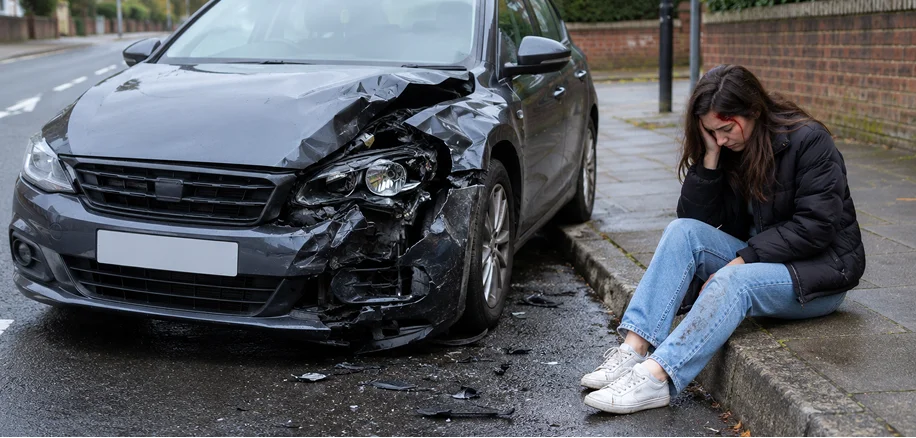
Not every injury is obvious. After a serious collision, a lot of people end up dealing with psychological aftershocks like Post Traumatic Stress Disorder (PTSD), with things like intrusive flashbacks, bad dreams, and it being really hard to get back behind the wheel again. Some others develop nervousness that gets triggered by ordinary stuff, such as traffic noise or driving along the motorway, like every day, normal routes suddenly feel threatening.
These are accepted medical issues; they can really knock your ability to work, keep up relationships, and just manage day-to-day life.
If you want to strengthen a claim, it matters to have your condition assessed by a GP or a properly trained mental health professional. Getting a formal diagnosis creates solid medical evidence that ties your symptoms to the accident, and that is what insurers lean on when they’re deciding what to pay. Without it, emotional injuries can be more difficult to establish. Even so, under UK Personal Injury law, you can pursue compensation for the mental health impacts just like physical harm, no matter where the accident happened in England or Wales.
What Counts As A Psychological Injury After A Car Crash?
A psychological injury refers to a medically recognised mental health condition that develops as a result of a car accident. It goes beyond normal emotional reactions such as shock, distress, or temporary anxiety immediately after the incident.
To be considered as part of a legal claim, the condition must be diagnosed by a medical professional and supported by evidence linking it directly to the accident.
How Do You Qualify For A Claim?
To qualify, the accident really has to be caused by someone else’s negligence. And you also need to prove that your symptoms have a pretty significant effect on day-to-day life, like not being able to drive, having trouble at work, or needing professional therapy, because yes, it matters.
How psychological harm is dealt with in a personal injury claim depends on how severe it is. In the lighter situations, things like mild anxiety or short-term distress might be looked at along with any physical injuries, under the UK whiplash tariff system.
But when it’s more serious and lasts a long time, conditions like Post-Traumatic Stress Disorder (PTSD), clinical depression, or ongoing anxiety disorders are treated as standalone psychological injuries. Once a doctor confirms that you have PTSD or a similar disorder, these can be claimed on their own, and they may bring extra compensation outside the usual whiplash ceilings.
Can You Make A Claim For PTSD, Anxiety, Or Depression?
This question often comes up post-accidents, and has different approaches to address it. The affected person can make claims for such psychological conditions if diagnosed by a medical professional, linking their condition to the accident specifically. An accident claim company helps arrange these medical assessments to ensure an accurate diagnosis. For a steady emotional and financial recovery, the right support system is required. This is where the experts at Simple Claims help the affected person understand all stages of care and post-accident claim filing.

Compensation For Psychological Injury
In the UK, compensation is worked out using the Judicial College Guidelines, yep. These numbers explain “General Damages”, meaning they’re for your pain and suffering, that kind of thing.
For post-traumatic stress disorder payouts normally land somewhere like £1,800 up to about £123,000, especially when it’s the worst cases. Those awards are meant to cover pain, distress, and also the real loss of enjoyment in life, more or less.
You can also ask for “Special Damages” to sort out lost earnings and the expense of private care, for example, CBT. And when the General damages are put alongside the special damages, the overall worth of a personal injury claim can be a lot higher than just the straightforward compensation for emotional harm by itself.
What Evidence Do You Need For A Psychological Injury Claim?
Since you can't see mental trauma on an X-ray, you need a paper trail including:
- Medical Records: Your GP's initial notes after the crash.
- Accident Report: The police or insurance record of the event.
- Witness Statements: People who can confirm how your personality changed.
- Financial Proof: Evidence of any unpaid time off work.
A trusted accident management company can help you build this paper trail, guiding you on what evidence to collect, how to keep a symptom diary, and how to present your claim in a way that reflects the true impact of your mental trauma.
Step-By-Step Process To Make A Car Accident Claim In The UK
An accident claim usually follows a simple process. You are required to
- Report it: Tell the police and your insurer immediately.
- Get Checked: See a doctor specifically for your mental state.
- Gather Proof: Keep receipts for any prescriptions or therapy.
- Instruct a Specialist: Use an accident claim company or a claim expert.
- Settle: Your legal team negotiates a payout from the other driver's insurance.
Most claims are settled without going to court, with your representative negotiating a fair figure that reflects both your injury and your losses. Contact Simple Claims now to start your claim and get the support you deserve.
How Long Does A Psychological Injury Claim Take?
The timeline for a claim about accident injuries can shift a lot depending on how severe your symptoms are. For the simple kinds, it often takes a few months to get sorted, particularly when responsibility is quite clear, and the injury fits within the usual whiplash tariff. More tangled situations, like complex PTSD claims, can take longer, and yes, sometimes it runs past a year. That is because solicitors and medical experts need to watch whether your condition improves or basically stays the same, before they can put a proper value on your car accident claim in London, accurately. An expert claims handler will update on the status and provide comprehensive personal injury support to help you fully recover.
Getting The Right Support After A Car Crash
Car accidents can really hit you where it counts, like in your mind, even if the physical part seems handled. Stuff like PTSD, anxiety, or depression can show up and make it harder for a person to keep up with regular tasks, smooth work interactions, and even everyday chores. A solid support network, with medical professionals, therapists, and experienced accident claim experts, can help in two ways: first, it may bring financial compensation, and second, it can support your mental health recovery, step by step,as you rebuild your routine.
It helps to really understand your psychological injury and then take timely actions so your overall health and future don’t get sidelined. Simple Claims supports you from the messy paperwork phase all the way through insurance negotiations. So you can put your energy back into healing instead of stressing. Ready to begin an accident claim? Reach out today, and get the support you deserve!
Struggling after a car accident?
Don’t suffer in silence. We’ll help you claim compensation for PTSD, anxiety, or emotional trauma with expert support and no upfront costs. Speak to Simple Claims today.
Need Accident Recovery?
Start your claim today with our expert team and in-house services, and get back on the road faster.
Get Instant Recovery Now.webp)
.webp)



.svg)


