
The First 20 Minutes After a Crash: Evidence That Strengthens Your Claim
.webp)
What you do immediately after a collision can determine the outcome of your car accident claim. Here's exactly what you need to collect
Effective car accident management begins not in a solicitor's office, but in the minutes immediately following the collision. Insurers and courts rely heavily on evidence: the fresher it is, the harder it is to dispute. If you've recently been involved in a collision, understanding what to preserve, record, and report right away is essential. It helps you avoid rejection of your car crash insurance claim.
The "Golden 20" Timeline for a Successful Car Accident Claim
The first 20 minutes after a crash is when the most critical evidence is "live", yet it can walk away, drive away, or be forgotten. Here is how to strategically use those first 20 minutes to secure the four pillars of evidence while staying safe.
Minutes 1–5: Safety and Witness Capture
Before people start leaving, you need to identify your Independent Witnesses. As soon as you are safe, look for bystanders or drivers who have stopped. Approach them immediately and request their contact number. You can say, "I’m a bit shaken up, would you mind giving me your name and number? I just need someone who saw what happened.”
This action should be taken immediately, as witnesses often leave once they see everyone is physically okay. If you wait 10 minutes, they’ll be gone.
Minutes 5–12: Visual Documentation
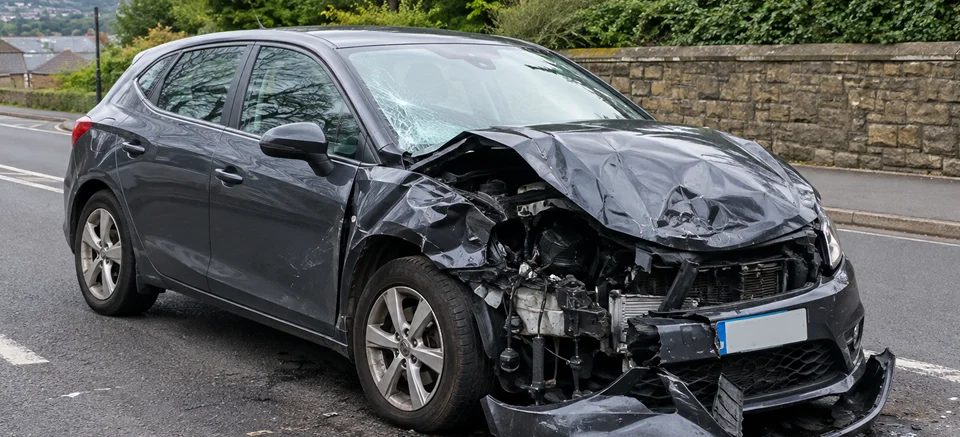
You must photograph the original resting positions first to receive fair car crash compensation. Take "context shots" before moving the cars. Capture the distance between vehicles, their orientation to the lane lines, and any debris (broken glass/plastic) on the road. Snap the other driver’s license plate and insurance disc (if displayed).
It is important to have these visuals as soon as possible, as once the cars are moved, it is difficult to prove exactly where the impact occurred or whether someone was making a wrong move or an overtake.
Minutes 12–17: Official Incident Numbers & Exchange
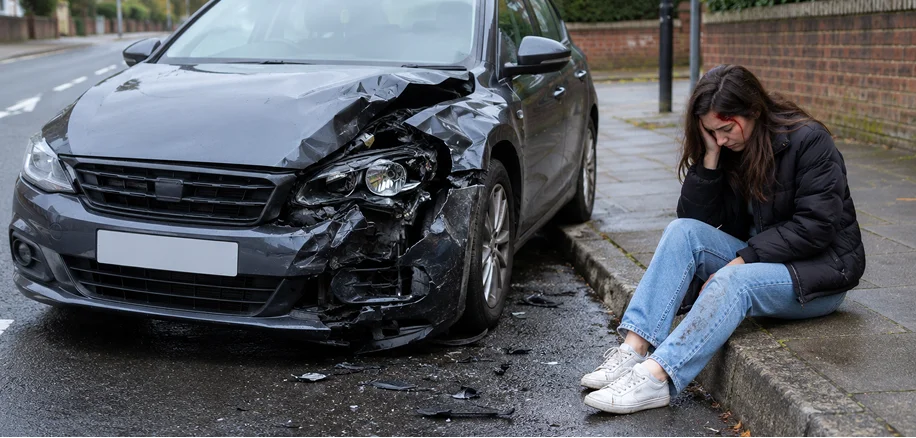
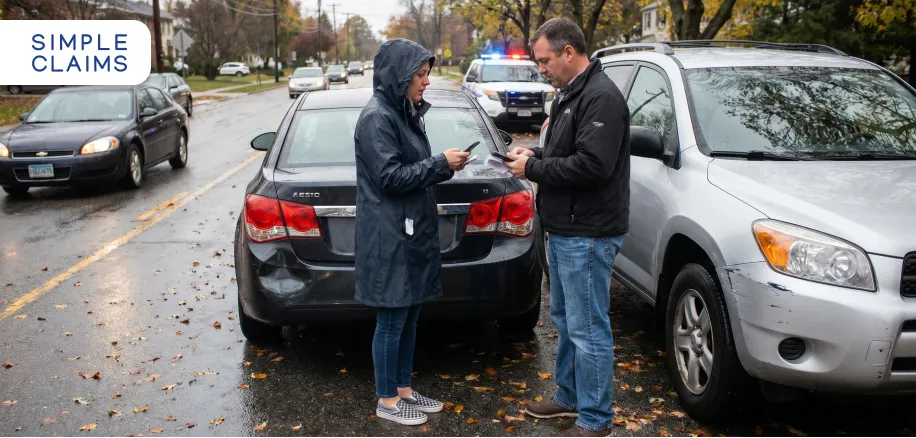
This is the time to call the authorities and exchange details. Call the police if the road is blocked or if there are injuries. If they arrive, ask for the Collision Reference Number immediately. If they don't attend, ensure you get the other driver’s full name, address, and insurance provider.
In the heat of the moment, drivers are usually cooperative. If you wait until the next day, they may become defensive or refuse to provide information, which can delay the process of claim after a car accident.
However, if the other driver refuses to give you their name or insurance papers, take a photo of their registration plate. As long as you have that plate, an accident claim company can check car insurance validity on your behalf, find the policy details, and start the recovery process without the other driver's further cooperation.
.webp)
Minutes 17–20: Contemporaneous Notes (Voice Memo)
Use your phone’s voice recorder while you are still sitting in or near your vehicle. Describe the light levels, any indicators you saw (or didn't see), and exactly what the other driver said to you immediately after the impact.
Note down any admissions of guilt by the other driver, like "I'm sorry, I was looking at my GPS" or "I didn't see you there."
It is important to have a record of these details early, as by the time you get home, your brain will have started to "smooth out" the details, and your notes will not be precise.
How an Accident Claim Company Uses This "20-Minute Pack"
An accident management company (AMC) or solicitor uses evidence collected in these 20 minutes to speed up and maximise your compensation after a car crash.
- Beating the "Fraud" Flag: If you have photos of the debris and a voice memo from 18 minutes after the crash, it’s nearly impossible for them to claim the accident was staged or exaggerated.
- Liability Fast-Track: If your photos show the cars in their original positions, a claims company can often get the other insurer to admit liability within 48 hours, giving you immediate access to a replacement vehicle.
- Correcting the Police Report: Sometimes, police reports contain errors. Your 20-minute visual evidence allows your legal team to challenge an officer’s incorrect assumption about who had the right of way.
How Simple Claims Can Help You With Car Accident Management
At Simple Claims, we handle the entire aftermath of a non-fault accident, so you don’t have to deal with the stress of insurers, garages, or paperwork.
From the moment you contact us, we use your evidence to start non-fault accident claims and help you with accident recovery. With our in-house services, we will provide a like-for-like replacement vehicle within 24 hours, arrange expert repairs in our own insurance-approved body shop, and recover all costs directly from the at-fault party’s insurer.
This end-to-end service ensures you pay no excess, protect your No Claims Bonus, and stay mobile after an accident.
Not your fault? Don’t let it cost you.
We’ll help you secure the full compensation you’re entitled to, plus a like-for-like replacement, all with zero upfront cost. Speak to our team today to understand your options after a non-fault accident.
Need Accident Recovery?
Start your claim today with our expert team and in-house services, and get back on the road faster.
Get Instant Recovery Now.webp)
.webp)



.svg)


