
How Long Does a Non-Fault Car Accident Claim Take?

Getting back on the road after a vehicle incident is a top priority. Most drivers want to know exactly when their lives will return to normal. While every case has its own pace, a clear path exists for non-fault claims. Knowing these steps helps build confidence and trust in the process.
This guide explains the factors that influence the length of a non-fault claim and how delays can be reduced.
What Is a Non-Fault Accident?
A non-fault car accident is a situation where the other driver is responsible for the incident. In this case, the other person’s insurance company covers the costs of the event. This includes the repair work, recovery fees, and a replacement vehicle.
The first essential step is to prove the non-fault status. It relies on factual evidence from the scene. This often includes clear photos of the scene, witness statements, and dashcam or CCTV footage. When the facts are clear, the process moves faster. The goal is to return you to the position you were in before the event occurred.
Average Timeline of a Non-Fault Claim
The total time for a claim depends on various factors. Each stage of a non-fault claim has its own timeframe. The duration depends on the complexity of the accident. This may take a few weeks to months.
Recovery
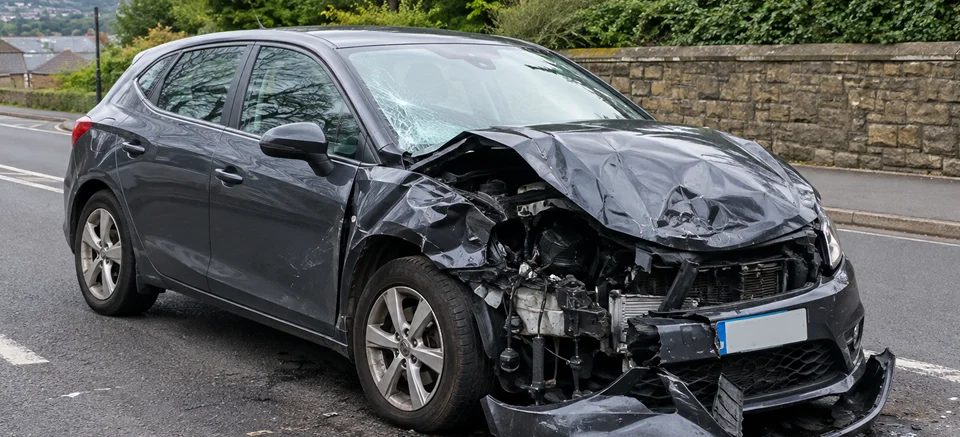
The recovery of your vehicle is the most immediate step. This usually happens within hours of the incident. If your car is not roadworthy, a recovery specialist team will transport it to a secure location for an assessment. This stage is swift to ensure your safety and clear the highway. Professional recovery services prioritise rapid response times to reduce the time you spend at the roadside.
Replacement vehicle
Staying mobile is a top priority for every driver. If you are not at fault, you are entitled to a replacement vehicle on a like-for-like basis. This means if you drive a family SUV, you should receive a similar model.
Through an accident management company, this often happens within 24 to 48 hours. This depends on availability and the type of vehicle required. The goal is to ensure your daily life continues without interruption. You can still do the school run or commute to work while your own car is being assessed.
The replacement stays with you until your vehicle is repaired or you receive a settlement payment.
Repairs
The repair phase is often the most variable part of the timeline. A qualified engineer must first inspect the damage. They provide a detailed estimate to the insurance company. Once the repairs are authorised, the garage orders the necessary parts.
Simple repairs might take a few working days. More complex structural work or waiting for specialist parts can extend this to several weeks. Choosing an approved repairer with a strong reputation ensures the work meets high safety standards.

Claim settlement
The settlement is the final financial resolution. This involves the third-party insurer covering all services provided. If your car was a total loss, this stage involves receiving a payment for its market value. A standard repair claim often closes within six to eight weeks. Total loss claims may take slightly longer as valuations are confirmed.
Most people find that this part of the process is resolved through professional communication between the handlers.
What Can Delay a Claim?
While many claims progress smoothly, some factors can extend the timeline. These are common across the industry and often resolved with the right approach.
Disputed Liability
If the other driver does not immediately admit responsibility, the claim process may slow. The insurers must then review the evidence. This might involve looking at CCTV footage or police reports. Providing a clear and honest account of the event helps insurers make a quick decision. Once they agree on responsibility, the claim gains momentum again.
Insurer Delays
Insurance companies manage a high volume of enquiries daily. The time it takes for a third-party insurer to respond to a notification varies. Some providers use automated systems to process claims. Others rely on manual reviews by claims handlers.
Regular communication with your representative ensures your case remains at the top of the priority list. Promptly returning any forms or signing documents also helps avoid administrative hold-ups and maintain momentum.
Using Your Own Insurance
When claims are handled solely through your own insurer, processes may involve excess payments and policy checks.
This can add extra steps before progress continues. If you know your options early, it makes a real difference.
Modern Car Technology
Modern UK vehicles have complex safety systems. These include parking sensors, emergency braking, cameras, and radar units. Calibrating these systems after a repair takes time and specialised equipment.
If your car requires parts from a specific manufacturer or overseas, the repair timeline may increase. Prestige or electric vehicles often require specialist technicians. High-quality repairs are worth the wait to ensure your vehicle is safe for the road.
How Accident Management Speeds Things Up
Many drivers find that accident management vs insurance services offer a more direct route. An accident management company acts as your advocate. They coordinate the entire process. This includes recovery, repairs, replacement vehicles, and communication with insurers. Everything is managed under one roof.
They contact the at-fault insurer directly on your behalf. This removes the need for you to act as a middleman between different offices. Because these specialists focus purely on non-fault cases, they have established protocols with major insurers. This professional relationship often leads to faster authorisations for repairs and hire cars. They also have access to a large network of garages and hire cars across the UK.
With car accident claims management, you have a single point of contact. You do not have to call different departments to get an update. This level of service keeps the process simple and transparent. It puts the focus on getting you back to your normal life.
London Claims, What’s Different?
Navigating a claim in the capital presents unique circumstances. London is a busy environment with heavy traffic and high vehicle density. This can influence the logistics of your claim.
The volume of incidents in London means that recovery services and repair centres operate at high capacity. However, the city also hosts some of the most advanced repair facilities in the country. Logistics in London are often managed with great precision to navigate the traffic.
If you are involved in an incident within the M25, local expertise is beneficial. Specialists familiar with London routes can coordinate recovery and vehicle delivery more effectively. They understand the importance of timing to avoid peak congestion. This local knowledge helps maintain the pace of your claim despite the busy surroundings.
How Simple Claims Reduces Delays
At Simple Claims, we make the claims process as smooth as possible. A non-fault accident should not cause unnecessary disruption, so our focus is on removing delays from the very start.
As soon as you contact us, we take action. We arrange vehicle assessments quickly through trusted engineers and keep you updated at every stage. Our priority is to help you stay mobile with minimal waiting time.
We also manage all communication with the other party’s insurer. By handling documentation carefully and correctly the first time, we reduce hold-ups and speed up the resolution. Our experience with UK insurance processes allows you to focus on your day while we take care of the details.
Need Accident Recovery?
Start your claim today with our expert team and in-house services, and get back on the road faster.
Get Instant Recovery Now.webp)
.webp)





.svg)


